
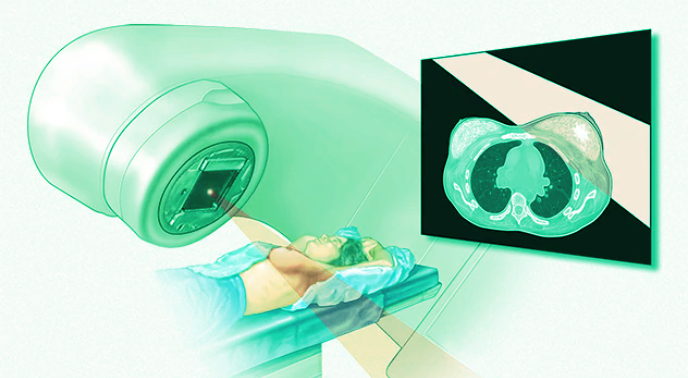
This treatment we offered to kill cancer cells. Radiation therapy most often uses X-rays. But other types of radiation therapy exist, including proton radiation.
Modern methods of radiation are precise. They aim beams directly at the cancer while protecting healthy tissues from high doses of radiation.
Radiation therapy can be given inside or outside of your body. The most common kind is external beam radiation therapy. This treatment uses a large machine called a linear accelerator. High-energy beams are aimed from the machine to a precise point on your body.
Chemotherapy is most often used to treat cancer, since cancer cells grow and multiply much more quickly than most cells in the body.
Many different chemotherapy drugs are available. Chemotherapy drugs can be used alone or in combination to treat a wide variety of cancers.
Though chemotherapy is an effective way to treat many types of cancer, chemotherapy treatment also carries a risk of side effects. Some chemotherapy side effects are mild and treatable, while others can cause serious complications.

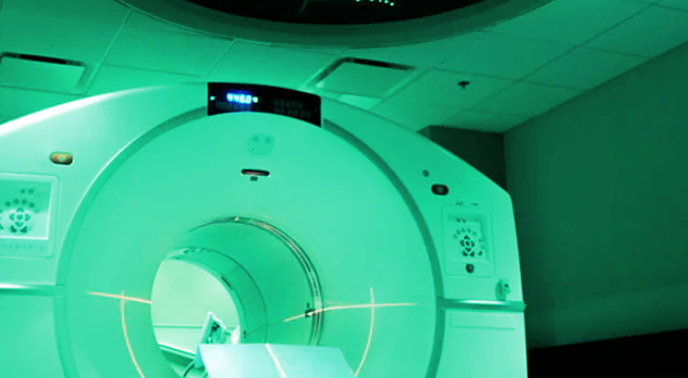
The PET scan uses a radioactive drug called a tracer to show both typical and atypical metabolic activity. A PET scan can often detect the atypical metabolism of the tracer in diseases before the disease shows up on other imaging tests, such as computerized tomography (CT) and magnetic resonance imaging (MRI).
The tracer is most often injected into a vein within your hand or arm. The tracer will then collect into areas of your body that have higher levels of metabolic or biochemical activity.
A computerized tomography scan, also called a CT scan, is a type of imaging that uses X-ray techniques to create detailed images of the body. It then uses a computer to create cross-sectional images, also called slices, of the bones, blood vessels and soft tissues inside the body. CT scan images show more detail than plain X-rays do.
A CT scan has many uses. It’s used to diagnose disease or injury as well as to plan medical, surgical or radiation treatment.


The Radiology team at Azad Medicare is accelerating unprecedented imaging advances in the practice and delivery of health care.
People who turn to Azad Medicare for help with serious or complex health challenges benefit from the exceptional care, advanced technology and expertise of the Department of Radiology. Radiologists are doctors who specialize in using imaging technology to diagnose and treat people with a wide range of difficult-to-diagnose and complex conditions.